Describe Spiritual Health: Powerful Meaning, Signs & Hope
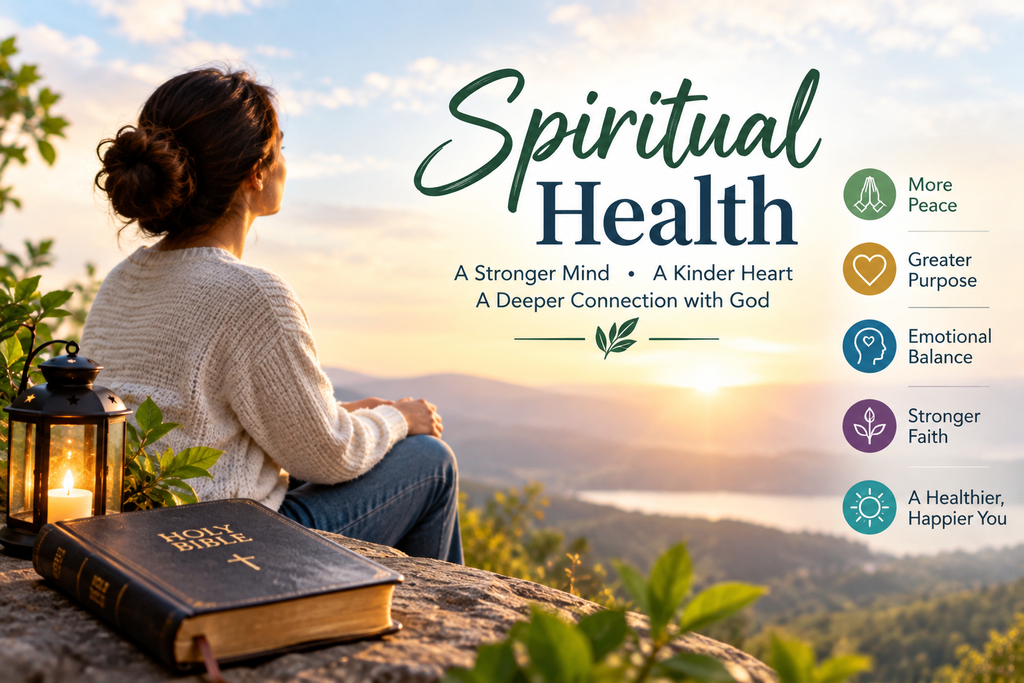
If you need to describe spiritual health in simple terms, think beyond the absence of illness. Spiritual health is connected with meaning, purpose, values, hope, inner peace, and a sense of connection. There is no single universal definition; recurring themes include meaning, connection, transcendence, and growth.
What Does Spiritual Health Mean?
To describe spiritual health clearly, separate it from religion. Religion can be an important source of spiritual well-being, but spiritual health is not limited to one faith tradition. Research has described it through relationships with oneself, other people, nature, and a larger meaning or sacred reality.
In everyday life, spiritual health can mean knowing what matters to you, living according to your values, finding purpose during difficult seasons, and maintaining hope. It may also involve gratitude, forgiveness, compassion, prayer, meditation, or quiet reflection.
Key Signs of Healthy Spiritual Well-Being
Another way to describe spiritual health is to notice whether your beliefs and values are reflected in daily choices.
1. A Sense of Purpose
You can connect daily responsibilities with values that matter. Purpose may come from family, service, creativity, work, or community.
2. Inner Peace and Grounding
Healthy spiritual well-being does not mean constant peace. Beliefs or practices may help you regain steadiness after grief, fear, disappointment, or uncertainty.
3. Connection With Others
Human connection is a recurring theme in spirituality research. Compassion, forgiveness, belonging, generosity, and respectful relationships can strengthen a sense of meaning and connection.
4. Self-Awareness
To describe spiritual health honestly, include the relationship a person has with their inner life. Self-reflection can help you recognize your values, motives, strengths, limitations, and habits.
5. Hope During Difficult Times
Spiritual health can offer a framework for facing uncertainty without pretending suffering is easy. Hope may come from faith, relationships, personal values, or a belief that life can still contain meaning after loss.
6. Living by Your Values
Spiritual well-being is often visible in behavior. Kindness, honesty, patience, responsibility, gratitude, and compassion become meaningful when they shape daily choices.
Why Spiritual Health Matters
When people describe spiritual health, they often focus on meaning and connection because these themes shape how a person understands life. Research describes religious and existential dimensions, including relationships with God or a higher power, oneself, other people, and nature.
This does not mean spiritual practices prevent disease or replace professional healthcare. Spiritual well-being is one part of life, while physical and mental health concerns may require qualified medical or mental-health support.
How to Improve Spiritual Health
If you want to describe spiritual health as something practical, focus on small habits that cultivate meaning and connection:
- Reflect: Spend a few quiet minutes considering what matters most.
- Practice gratitude: Write down three things you genuinely appreciate.
- Pray or meditate: Use practices that fit your beliefs and values.
- Serve someone: Turn spiritual ideals into a real act of kindness.
- Spend time in nature: A quiet walk can create space for perspective.
- Nurture relationships: Listen carefully, express appreciation, and repair relationships when appropriate.
- Read meaningful material: Scripture, philosophy, poetry, or reflective writing can deepen questions about life.
- Seek support: A faith leader, counselor, therapist, or healthcare professional may help when struggles feel overwhelming.
Spiritual Health vs. Mental and Physical Health
This distinction makes it easier to describe spiritual health without treating it as a diagnosis.
Physical health concerns the body’s condition and functioning. Mental health involves emotional and psychological well-being. Spiritual health often addresses meaning, values, purpose, connection, faith, or transcendence.
The World Health Organization’s formal definition of health refers to physical, mental, and social well-being. Healthcare literature has also explored spirituality as an additional dimension of human well-being, but that discussion should not be confused with replacing the established WHO definition.
For further background, readers can consult the World Health Organization’s health definition and resources.
Simple Ways to Describe Spiritual Health
If someone asks you to describe spiritual health in one sentence, you could say:
Spiritual health is the ability to find meaning, purpose, connection, hope, and inner direction while living according to deeply held values.
For a faith-based explanation, it can mean nurturing a relationship with God that shapes character, choices, gratitude, and compassion. A nonreligious explanation may emphasize purpose, values, connection, reflection, service, and meaning.
When to Reflect on Spiritual Health
Reflection can help during change, loss, major decisions, or disconnection from your values.
Ask yourself:
- What gives my life meaning right now?
- What values do I want my actions to show?
- Which relationships help me feel connected?
- What helps me find hope when life becomes difficult?
- Is there a reflective practice that brings me peace?
- Where do I need more forgiveness, gratitude, or compassion?
FAQs About Spiritual Health
What is spiritual health in simple words?
Spiritual health is a person’s sense of meaning, purpose, connection, values, hope, and inner direction. It may be expressed through religion, spirituality, relationships, service, or reflection.
Is spiritual health the same as religion?
No. Religion can be one pathway to spiritual well-being, but spirituality can also be explored through personal values, relationships, nature, service, or purpose.
Why is spiritual health important?
It can help people reflect on what matters, strengthen purpose, develop connection, and identify sources of hope. It should complement—not replace—appropriate healthcare.
How can I improve spiritual health every day?
Start small with prayer, meditation, gratitude, journaling, time in nature, meaningful reading, acts of kindness, or a sincere conversation with someone you trust.
Can spiritual health affect mental health?
Spirituality and mental health can overlap, and research has examined associations between spiritual well-being and psychological outcomes. However, spiritual practices should not be presented as guaranteed treatment for a mental-health condition.
What are examples of spiritual health?
Examples include living by personal values, feeling connected to others, having purpose, practicing gratitude, seeking forgiveness, maintaining hope, and engaging in prayer or reflection.
Can spiritual health change over time?
Yes. Major life events, grief, relationships, faith experiences, personal growth, and changing values can influence how a person experiences spirituality and meaning.
Is spiritual health only for religious people?
No. Some people understand it through faith in God, while others approach it through meaning, purpose, nature, ethics, human connection, or personal reflection.
Final Thoughts
The clearest way to describe spiritual health is through the meaning and connection a person builds over time. It involves staying connected to your values and relationships through joyful and difficult seasons.
A healthy spiritual life can look different from person to person. What matters is whether your practices and beliefs help you live with greater awareness, compassion, purpose, and authenticity. To describe spiritual health well, focus on lived meaning rather than a rigid checklist.
If you found this helpful and are looking for more interesting insights, be sure to .explore :